Search functionality will be added in a later phase.
Comparison
TriggerPoint GRID 1.0 vs GRID 2.0
Compare TriggerPoint's 13-inch and 26-inch foam rollers by length, stability, portability, construction and practical use.
By
RecoveryToolLab Editorial
Updated
Basis
Documentation and research
Disclosure: We may earn a commission if you purchase through links on this page, at no additional cost to you. As an Amazon Associate I earn from qualifying purchases. Learn more
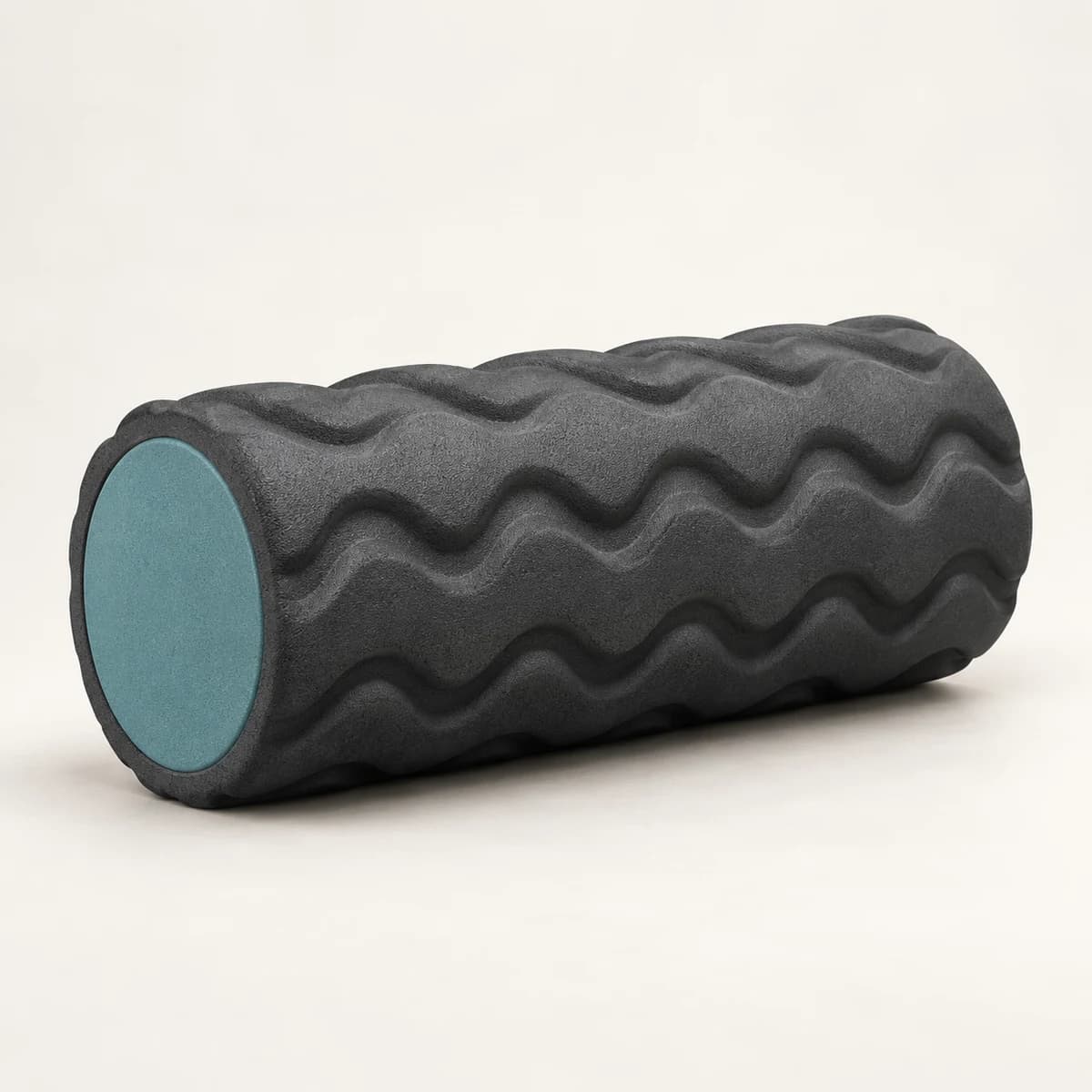
TriggerPoint GRID 1.0 Foam Roller
A 13-inch foam roller with a hollow core and an EVA foam surface, based on current TriggerPoint product documentation.
VS
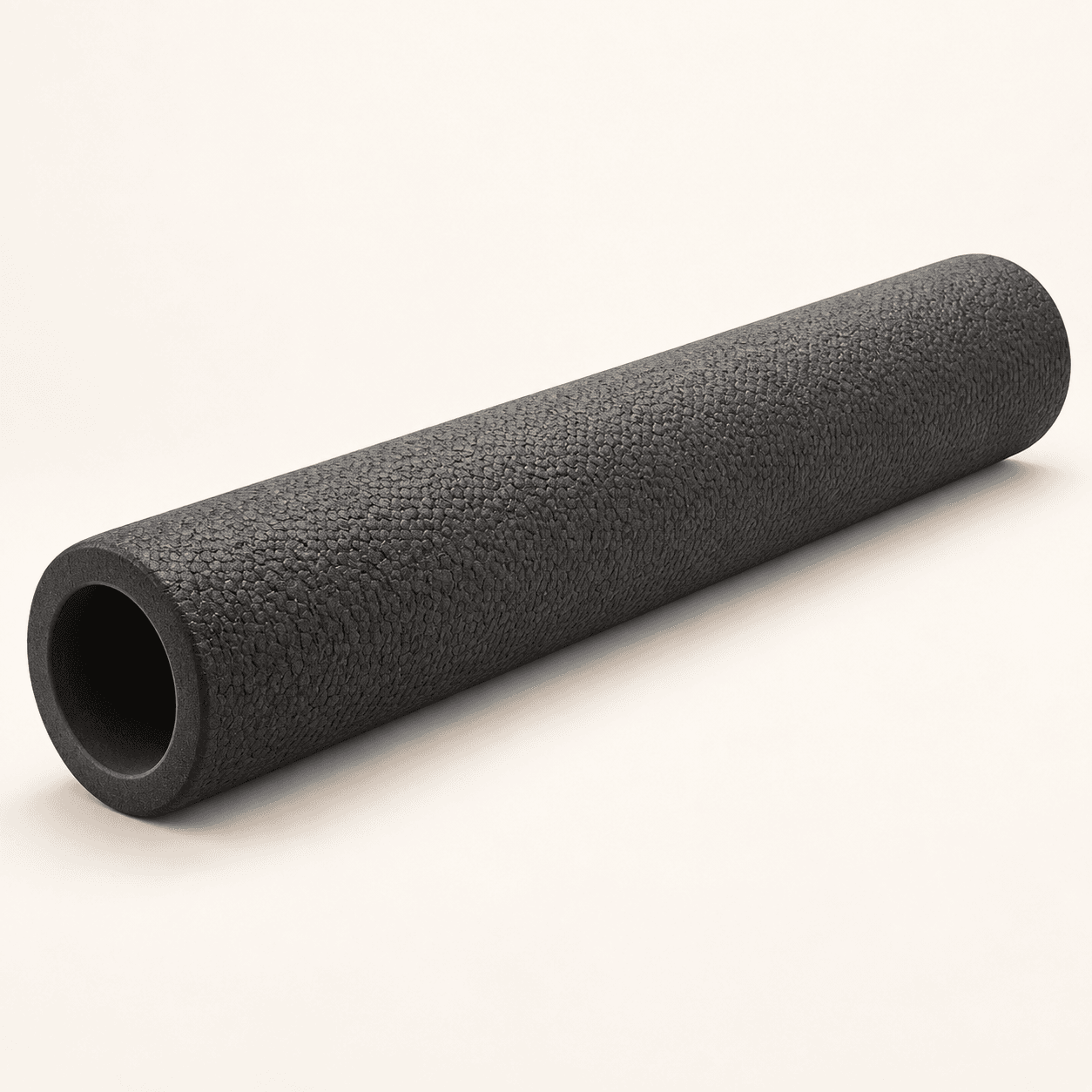
TriggerPoint GRID 2.0 Foam Roller
A 26-inch foam roller with an EVA foam surface and hollow core, based on current TriggerPoint documentation.
Independent comparisonNo paid ranking determines the outcome
Research-informedManufacturer claims and independent evidence are separated
No paid rankingsCommercial terms do not shape conclusions
TriggerPoint GRID 2.0 Foam RollerLonger surface for positioning
Portability
TriggerPoint GRID 1.0 Foam RollerEasier to store and carry
TriggerPoint GRID 2.0 Foam RollerRequires more storage space
Power
TriggerPoint GRID 1.0 Foam RollerNo power required
TriggerPoint GRID 2.0 Foam RollerNo power required
Bottom line
Bottom line
The GRID 1.0 is easier to store and transport. The GRID 2.0 provides more length and a broader positioning surface. Choose by space and rolling setup; their underlying mechanism is the same.
TriggerPoint GRID 1.0 Foam Roller may suit
TriggerPoint GRID 1.0 Foam Roller
People with limited storage space
Users who want a roller that is easier to carry
People comfortable with a 13-inch contact surface
Buyers who do not need extra width for positioning
The GRID 2.0 is essentially the longer-format alternative to the original GRID. Both rely on body-weight pressure and use an EVA foam surface over a hollow core. The practical decision is whether the 26-inch surface justifies twice the stored length for your rolling positions.
People with limited storage space
Users who want a roller that is easier to carry
People comfortable with a 13-inch contact surface
Buyers who do not need extra width for positioning
People who want a 26-inch rolling surface
Users who value a broader base for positioning
People with enough floor and storage space
Buyers who prefer the manufacturer's longer-format GRID option
Evidence context
Systematic reviews report possible short-term or training-related range-of-motion changes from foam rolling. The evidence varies by protocol and does not establish that a longer roller produces better recovery results. Review acute range-of-motion evidence and foam-rolling training evidence.
Important evidence limitations
RecoveryToolLab has not hands-on tested either roller.
Comfort, surface feel and durability were not independently measured.
Category research does not validate manufacturer surface-pattern claims.
A longer roller does not automatically create a better outcome.
Amazon variants and availability can change.
Safety considerations
Control pressure through body position and avoid rolling directly over injured areas, prominent bones, joints or sensitive anatomy. Stop if pressure produces sharp, radiating, numb or unusual symptoms. Seek appropriate guidance when recent surgery, altered sensation or another condition affects safe pressure use.
How we compared them
We used centralized Amazon records, current TriggerPoint documentation and independent foam-rolling research. No live price, Amazon rating or invented hands-on score determined the conclusion.
Frequently asked questions
Is the GRID 2.0 twice as effective because it is twice as long?
No. It is twice the documented length, but length mainly changes positioning and storage. It does not prove a larger recovery effect.
Are both rollers powered?
No. Both are conventional unpowered foam rollers that rely on body position and body weight.
Sources and references
Product specifications were checked against official TriggerPoint documentation on October 5, 2026. Manufacturer documentation is identified for transparency but is not linked as a shopping destination.
Manufacturer documentation reviewed: TriggerPoint GRID 1.0 official product documentation
Manufacturer documentation reviewed: TriggerPoint GRID 2.0 official product documentation