Search functionality will be added in a later phase.
Comparison
Hypervolt Go 2 vs TriggerPoint GRID 1.0
Compare a portable percussion massage gun with a conventional foam roller by pressure style, portability, controls, evidence and practical use.
By
RecoveryToolLab Editorial
Updated
Basis
Documentation and research
Disclosure: We may earn a commission if you purchase through links on this page, at no additional cost to you. As an Amazon Associate I earn from qualifying purchases. Learn more
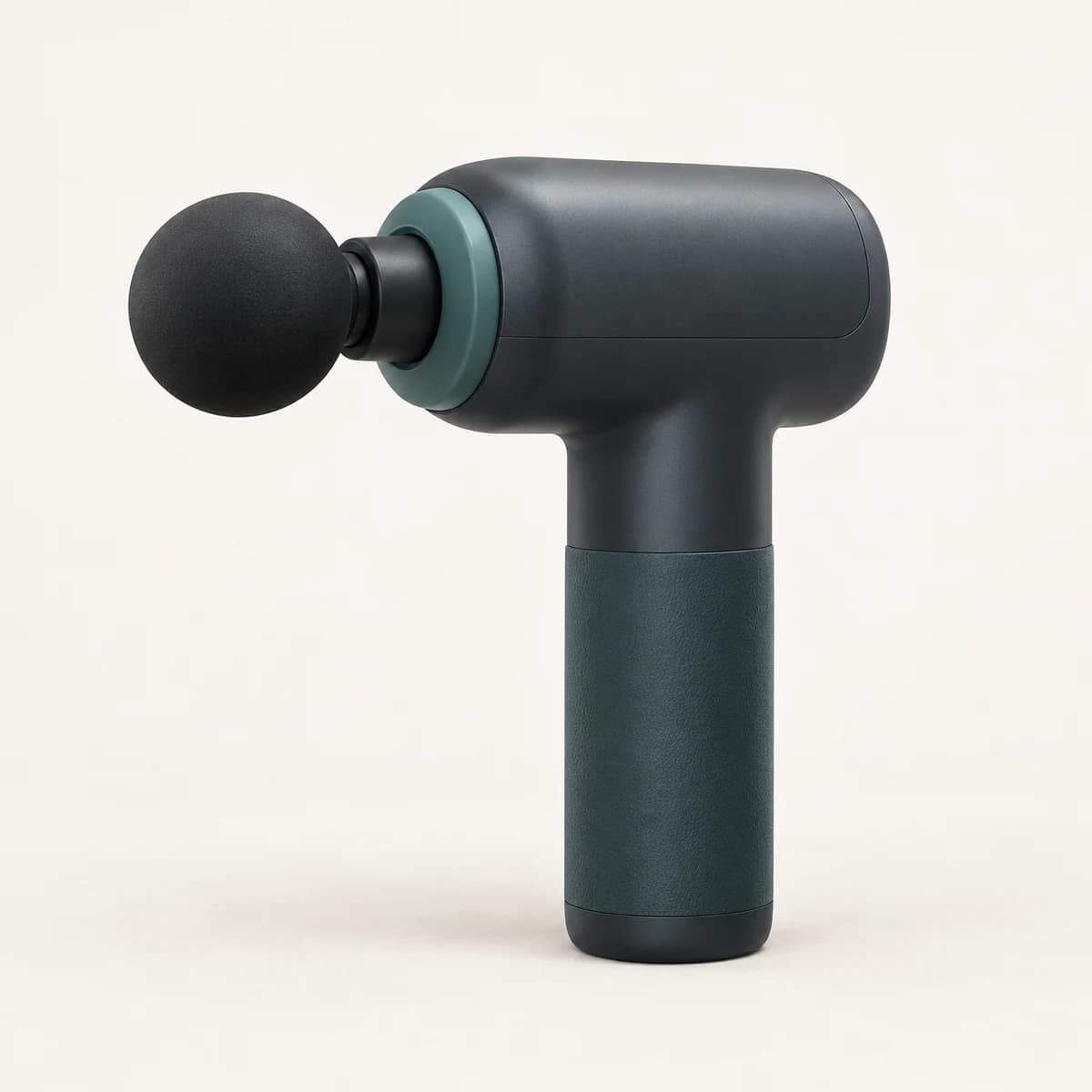
Hyperice Hypervolt Go 2
A portable percussion massage device with three speeds and two included head attachments, according to current Hyperice documentation.
VS
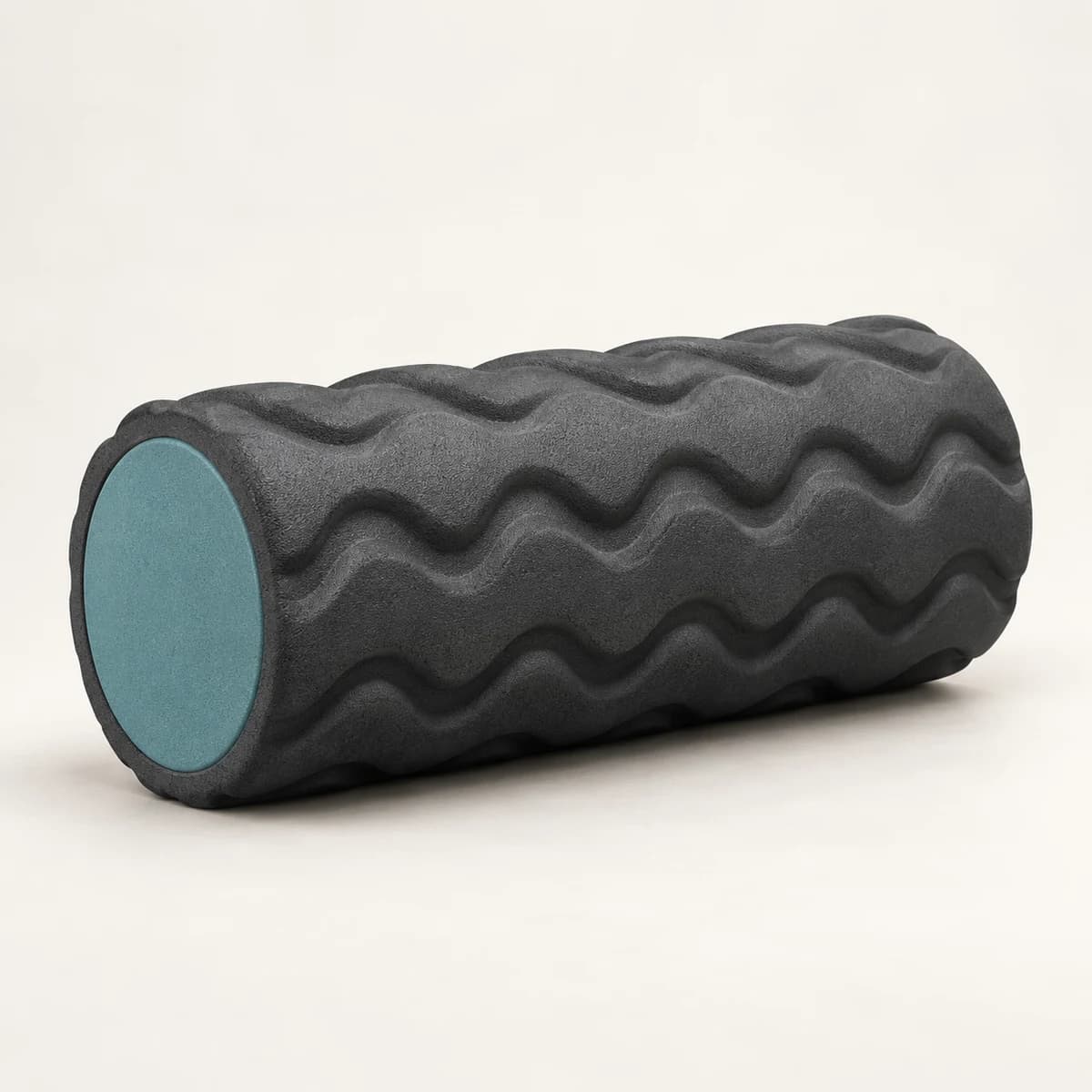
TriggerPoint GRID 1.0 Foam Roller
A 13-inch foam roller with a hollow core and an EVA foam surface, based on current TriggerPoint product documentation.
Independent comparisonNo paid ranking determines the outcome
Research-informedManufacturer claims and independent evidence are separated
No paid rankingsCommercial terms do not shape conclusions
UpdatedSources and product records are revisited
Side-by-side facts
FeatureHyperice Hypervolt Go 2TriggerPoint GRID 1.0 Foam Roller
Method
Hyperice Hypervolt Go 2Powered percussion
TriggerPoint GRID 1.0 Foam RollerBody-weight rolling pressure
Power
Hyperice Hypervolt Go 2Rechargeable device
TriggerPoint GRID 1.0 Foam RollerNo power required
Adjustment
Hyperice Hypervolt Go 2Three speed settings
TriggerPoint GRID 1.0 Foam RollerPressure changes through body position
Contact options
Hyperice Hypervolt Go 2Flat and bullet attachments
TriggerPoint GRID 1.0 Foam RollerTextured EVA foam surface
Detailed comparison
Verified product distinctions
FeatureHyperice Hypervolt Go 2TriggerPoint GRID 1.0 Foam Roller
Method
Hyperice Hypervolt Go 2Powered percussion
TriggerPoint GRID 1.0 Foam RollerBody-weight rolling pressure
Power
Hyperice Hypervolt Go 2Rechargeable device
TriggerPoint GRID 1.0 Foam RollerNo power required
Adjustment
Hyperice Hypervolt Go 2Three speed settings
TriggerPoint GRID 1.0 Foam RollerPressure changes through body position
Contact options
Hyperice Hypervolt Go 2Flat and bullet attachments
TriggerPoint GRID 1.0 Foam RollerTextured EVA foam surface
Portability
Hyperice Hypervolt Go 2Stated weight of 1.5 pounds
TriggerPoint GRID 1.0 Foam Roller13-inch roller
Maintenance
Hyperice Hypervolt Go 2Charging and battery care
TriggerPoint GRID 1.0 Foam RollerNo battery or electronics
Bottom line
Bottom line
The Hypervolt Go 2 is the more convenient option for targeted powered percussion and harder-to-reach areas. The TriggerPoint GRID 1.0 is the simpler choice for broad rolling pressure without charging or electronics. Choose by pressure style and setup preference rather than expecting one tool to deliver a universally better recovery result.
Hyperice Hypervolt Go 2 may suit
Hyperice Hypervolt Go 2
People who want powered percussion without positioning their body over a roller
People who value a compact device for travel or a gym bag
Users who want three simple speed settings and two contact shapes
People comfortable maintaining and charging a battery-powered device
The Hypervolt Go 2 and TriggerPoint GRID 1.0 provide different kinds of self-massage. The Hypervolt uses motor-driven percussion through two attachment shapes. The GRID is a 13-inch roller that relies on body position and body weight. The useful choice depends more on where and how you want to apply pressure than on declaring one category the winner.
People who want powered percussion without positioning their body over a roller
People who value a compact device for travel or a gym bag
Users who want three simple speed settings and two contact shapes
People comfortable maintaining and charging a battery-powered device
People who prefer a simple tool with no battery or electronics
Users who want broader rolling pressure for larger muscle areas
People comfortable controlling intensity through body position
Buyers who want a conventional 13-inch roller format
Evidence context
A systematic review of percussion massage research reported potentially useful short-term findings for flexibility and some recovery-related measures, while emphasizing methodological limitations and a small device-specific evidence base. Read the percussion-therapy review.
Systematic reviews of foam rolling report possible short-term or training-related range-of-motion changes. Those findings depend on the studied protocols and do not prove permanent tissue change or validate every roller surface. Review the acute range-of-motion evidence and foam-rolling training evidence.
The two evidence bodies are not directly interchangeable, and RecoveryToolLab found no basis for claiming that either of these exact products produces superior clinical outcomes.
Important evidence limitations
RecoveryToolLab has not hands-on tested either product.
Published category research does not establish device-specific results.
Changes in sensation or range of motion do not prove that tissue was permanently “released.”
Comfort, noise, grip, pressure feel and durability were not independently measured.
Neither tool diagnoses the source of pain or stiffness.
Safety considerations
Start with low intensity and avoid sharp, radiating or neurologic symptoms. Do not apply concentrated percussion or body-weight pressure directly over injured areas, prominent bones, joints or sensitive anatomy. Seek appropriate guidance after surgery or when bruising risk, altered sensation or another medical concern may make pressure unsuitable.
How we compared them
We compared current centralized product specifications, manufacturer documentation and independent category-level research. Commercial terms did not determine the conclusion. No live price, Amazon rating, hands-on score or unsupported recovery claim was used.
Frequently asked questions
Is a massage gun better than a foam roller?
Not universally. A massage gun is easier to direct with one hand, while a roller distributes body-weight pressure and requires more positioning. The better format depends on the area, preferred sensation and ability to control pressure.
Did RecoveryToolLab test these products?
No. This comparison is based on documentation and independent category research, not hands-on use.
Sources and references
Product specifications were checked against official Hyperice and TriggerPoint documentation on October 5, 2026. Manufacturer documentation is identified for transparency but is not linked as a shopping destination.
Manufacturer documentation reviewed: Hyperice Hypervolt Go 2 official product documentation
Manufacturer documentation reviewed: TriggerPoint GRID 1.0 official product documentation